Concrete driveway repair cost depends first on an accurate diagnosis. Before comparing repair options, identify what is damaged, why it failed, and whether the issue is limited to the surface or extends into the slab, base, drainage, or supporting soil.
The scope of work should reflect how much of the driveway is affected and whether the substrate can support a durable repair. A small, isolated crack may call for a targeted solution, while widespread cracking, settlement, or washout can require removal, base correction, and replacement of a larger section.
Access and preparation also shape the expected cost. Removing damaged concrete, clearing roots or debris, correcting drainage, excavating unstable material, and compacting the support beneath the slab can be as important to the project as the visible concrete repair. JCD Concrete Inc. is owner-operated by John DomBek and brings more than 40 years of concrete experience.
The practical budget question is whether the expected repair is proportionate to replacement. When the supporting conditions are sound and the damage is contained, repair may be a sensible investment. When failures are widespread or the base needs extensive correction, replacement of the affected area may be more appropriate. A project-specific estimate can help define that decision.
What Drives Repair Scope and Cost?
The driveway repair cost depends on the work needed to correct the condition, not simply on the crack or damaged spot that is visible from above. A useful evaluation starts with the type and extent of damage, then considers what caused it and whether the driveway can support a lasting repair. The American Concrete Institute’s guidance on the causes, evaluation, and repair of concrete cracks notes that cracks can have different causes, so the condition should be evaluated before a remedy is selected.
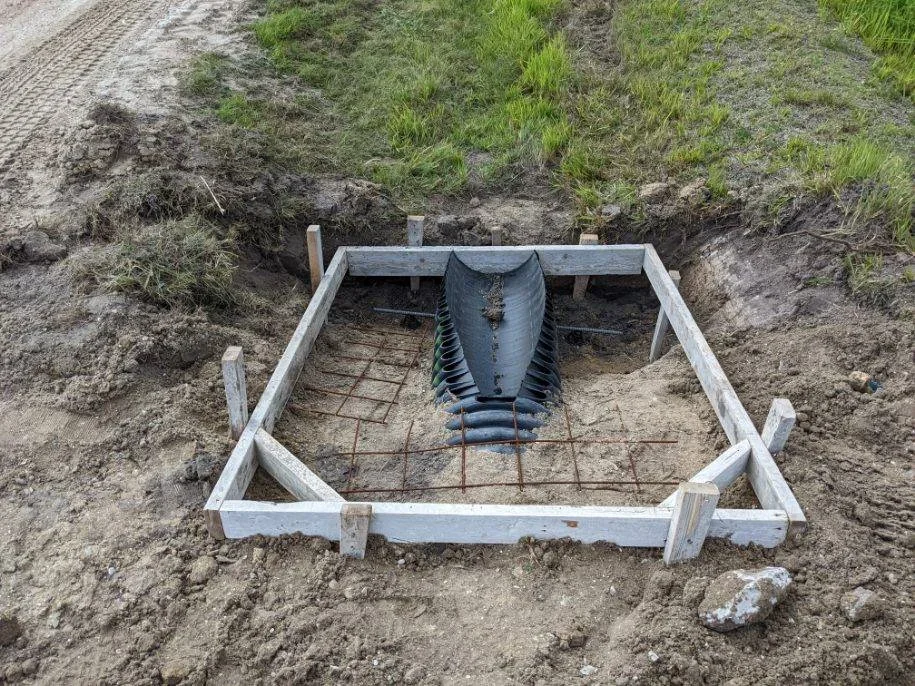
- Type and extent of damage: Hairline cracks, surface wear, broken edges, settlement, and displaced slab sections require different levels of work. Damage that extends deeper into the slab or affects several areas usually expands the repair scope.
- Likely root cause: Water intrusion, poor drainage, erosion, root movement, heavy loads, and inadequate support beneath the slab can lead to recurring damage. A repair that addresses only the visible symptom may not hold up if the cause remains.
- Affected area: An isolated issue may be suited to a targeted repair, while widespread cracking, spalling, or settlement may require a larger section to be removed and rebuilt.
- Substrate and base condition: The soil and compacted material beneath the driveway must be stable enough to support the repaired area. Washout, voids, soft spots, or poorly compacted base material can require excavation and correction before new concrete is placed.
- Accessibility and mobilization: Equipment access, nearby structures, landscaping, gates, and the location of the damaged area can affect how crews remove material, prepare the site, and complete the work.
- Preparation required: Depending on the project, preparation can include demolition, debris removal, root clearing, drainage correction, excavation, grading, base preparation, and reinforcement where appropriate.
The repair category must also match the condition. Crack sealing, surface resurfacing, sectional replacement, and full replacement each fit different situations. The right option depends on whether the issue is cosmetic, localized, structural, or caused by a broader support problem. The International Concrete Repair Institute’s repair guidance also emphasizes evaluation, substrate preparation, and choosing materials and application methods that suit the condition. These resources inform assessment, not a homeowner DIY specification.
Expected usefulness and durability matter when comparing options. A lower-scope repair may be reasonable when the surrounding slab and base are sound. When movement, erosion, or widespread deterioration is likely to cause the condition to return, a more complete scope may be appropriate.
Replacement is worth evaluating when damage is extensive, the base needs substantial correction, multiple repairs would be needed, or a limited repair would not provide a dependable result. A project-specific estimate should account for the driveway’s condition, support, drainage, proposed scope, and expected usefulness of the repair.
Repair Options by Type of Damage
Repair categories should follow the condition of the driveway rather than a fixed menu of outcomes. The right scope depends on what caused the damage, the condition of the substrate, the area involved, exposure to water and weather, and how the driveway is used.
Surface or Cosmetic Repair
A cement driveway repair cost assessment may be appropriate for surface wear, minor scaling, stains, or shallow imperfections when the slab and support beneath it are stable. This type of work addresses the visible surface, so it is not a substitute for correcting movement, drainage, or base problems.
Crack-Related Work
A cracked driveway repair cost assessment should consider whether isolated cracks can be managed when an assessment shows that the surrounding concrete and supporting material remain sound. If cracks are widening, displaced, or connected to settlement or washout, the underlying cause should be evaluated before selecting a repair.
Localized Section Repair
A damaged portion of a driveway may be a candidate for localized section repair when the problem is limited and the adjoining slab, base, and drainage conditions support that approach. The scope can include removal of damaged concrete, base correction where needed, and replacement of the affected section.
Movement and Settlement Evaluation
For driveway sinking repair cost, settlement or movement should first be traced to its cause, including drainage, erosion, soil support, and the extent of the affected area. That assessment helps determine whether repair is appropriate or whether replacement should be evaluated.
Replacement Evaluation
Concrete driveway replacement is worth evaluating when damage is widespread, support problems extend beyond an isolated area, or a limited repair would not be proportionate to the expected use of the driveway. Service life and suitability depend on the original cause, substrate condition, repair scope, exposure, and vehicle or foot traffic.
Repair vs. Replacement: When to Restore and When to Rebuild
A concrete driveway repair cost assessment should distinguish structural concerns from cosmetic wear before repair or replacement is considered.
Deep cracks, spalling, sunken sections, or recurring damage may warrant further evaluation. These visible conditions can point to underlying movement, drainage, or support concerns, but the appropriate scope requires project-specific assessment. Depending on the cause, affected area, and condition of the base, repair may remain suitable or replacement may be worth considering.
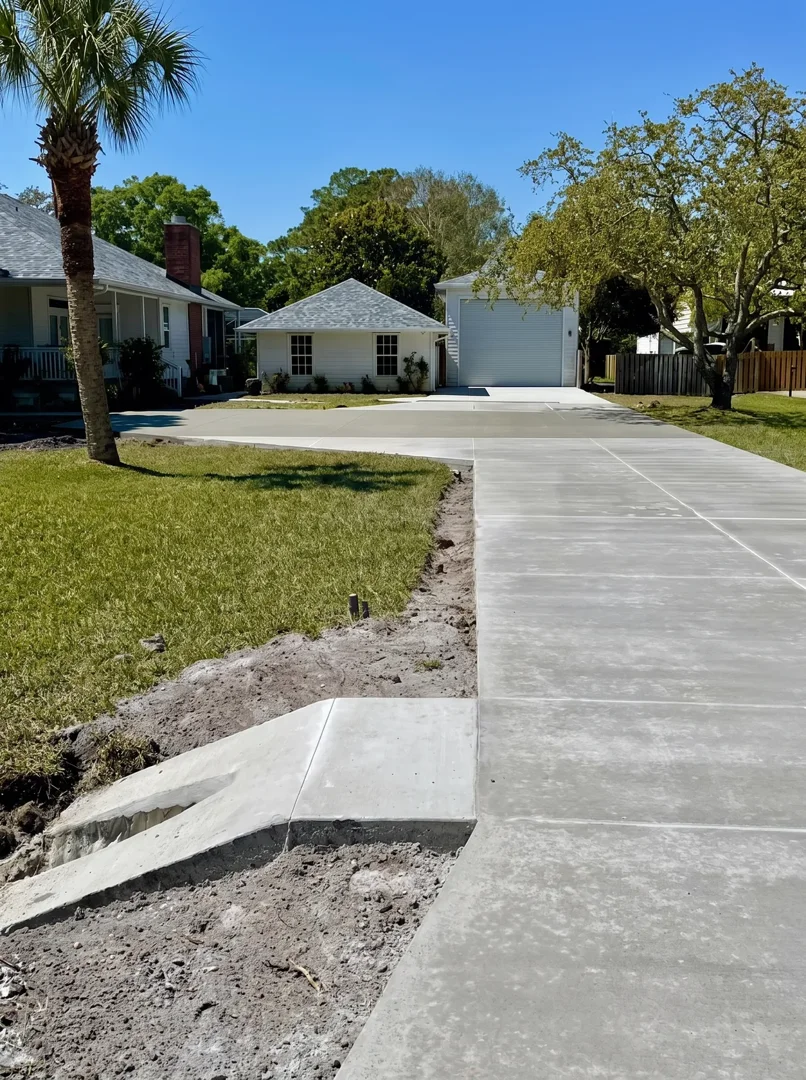
For examples of completed work, visit JCD Concrete Inc.’s project gallery.
Evaluating Widespread Damage
If an assessment finds that the existing slab and supporting conditions are suitable for resurfacing, surface rehabilitation may be considered for wear, staining, scaling, or other appropriate surface conditions.
Resurfacing suitability depends on the condition of the existing concrete and the cause of any cracking or movement. Cracks or underlying movement can affect a new surface treatment, so the substrate should be evaluated before an overlay is selected.
When Replacement May Be Worth Considering
Deep structural cracks, crumbling edges, widespread sinking, or displaced sections may make replacement worth considering. These symptoms require project-specific assessment of the underlying cause, the condition of the base, drainage, and the extent of affected concrete. When replacement is the appropriate scope, the work may include removing damaged concrete, correcting and compacting the subgrade, and placing a new slab.
Can you pour new concrete over an old driveway?
An overlay may be considered only after the existing slab, support beneath it, drainage, and crack pattern have been assessed. Whether it is suitable depends on the condition of the driveway and the cause of the damage.
Soil conditions, drainage, and water movement can affect the support beneath a driveway. When the existing slab or base no longer provides stable support, the appropriate scope may include repair of the affected area or replacement after a project-specific assessment.
What affects a repaired concrete driveway’s usefulness?
The expected usefulness of a repaired driveway depends on the cause of the damage, the stability of the substrate, the repair scope, exposure to water and weather, and how the driveway is used.
Curing and reopening guidance should be based on the actual repair or replacement scope, materials, site conditions, and the contractor’s instructions for the project.
Conclusion
A meaningful repair estimate starts with identifying the damage and its likely root cause. From there, the assessment can determine whether repair is suitable, what preparation, access, and scope the work requires, and when replacement should be evaluated instead.
For a project-specific review and free estimate, learn more about JCD’s concrete driveway services or contact JCD.