How Long Does 5000 PSI Concrete Take to Cure?
5000 PSI concrete does not have one universal walk-on or drive-on date. Concrete begins hardening within hours and continues gaining strength over time. The first 24–48 hours generally require protection from traffic and surface damage, the first week remains an important curing and strength-development period, and around 28 days is commonly used as a reference age for specified compressive strength. Actual access and loading guidance should come from the contractor for the specific project because mix design, weather, curing conditions, slab design and intended loads all matter.
| Period | What Is Happening | Homeowner Guidance |
|---|---|---|
| First 24–48 hours | Early hydration, hardening and strength development are underway. | Protect the surface. Allow light foot traffic only when the contractor says conditions permit. |
| Days 2–7 | Concrete continues gaining strength and requires appropriate curing conditions. | Follow project-specific guidance and avoid vehicle or concentrated heavy loads unless specifically cleared. |
| Around 28 days | This is a common reference age for specified compressive-strength testing. | Do not treat day 28 as a universal “fully cured” date or as automatic permission for every load. |
| Beyond 28 days | Hydration and strength development can continue. | Normal use should still reflect the slab design, intended loading and contractor guidance. |
Many homeowners assume concrete is either “wet” or “done.” The reality is that concrete gains strength gradually, and how you manage moisture and temperature in the first week matters more than most people realize. Proper curing during the first several days plays a major role in the long-term durability and appearance of your concrete.
JCD Concrete Inc. is owner-operated by John DomBek, who brings more than 40 years of concrete experience. This guide explains the factors that affect 5000 PSI concrete cure time so you can plan your project with confidence.
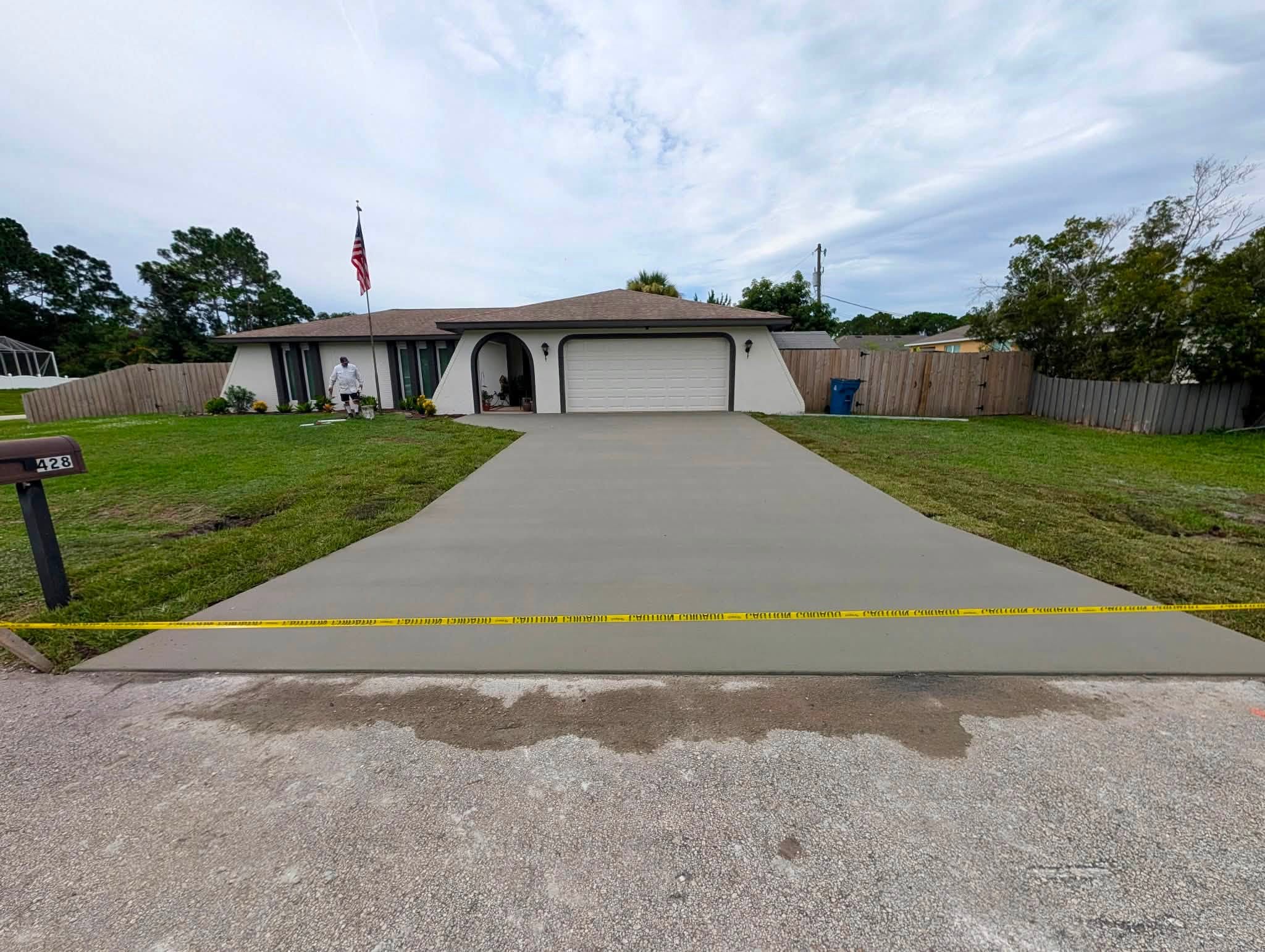
What Does 5000 PSI Mean?
PSI refers to compressive strength. JCD Concrete Inc. exclusively uses 5000 PSI concrete on residential projects, but the strength rating does not create a universal curing or access schedule. Concrete performance also depends on project design, base preparation, drainage, reinforcement where appropriate, placement, finishing, joints and curing. For a separate comparison of concrete strength levels and JCD’s residential standard, read our guide to 4000 PSI vs 5000 PSI concrete.
Concrete Strength Development and Access Guidance
Concrete does not dry out to gain strength. It cures as cement and water react, allowing the slab to harden and build strength over time. This process starts quickly and continues over several weeks. For a concise explanation of the distinction, see the American Concrete Institute’s What is curing?.
To help you plan around a new concrete pour, focus on protecting the surface early and following the project-specific guidance provided by your contractor.
Reaching Walk-On Strength
The first major milestone for any fresh pour is being able to handle light foot traffic without damaging the surface. At this stage, the concrete may feel firm, but the surface can still be vulnerable to scuffs, heel marks, pet prints, or damage from dragging tools and furniture.
The first 24 to 48 hours generally require protection from unnecessary traffic and surface damage. Whether light foot traffic is appropriate during that period depends on the specific placement, weather, curing conditions and contractor guidance.
What to Expect During Early Curing
| Period | General Expectation |
|---|---|
| First 24–48 hours | Fresh concrete should be protected from unnecessary traffic, impact, runoff and surface disturbance. Light foot traffic may be appropriate only when project conditions and contractor guidance allow it. |
| Days 2–7 | Strength continues developing. Curing conditions, weather and the specific slab matter. Avoid assuming the concrete is ready for vehicles or heavy loads because the surface looks dry or hard. |
| Following weeks | Concrete continues gaining strength. Access and loading should follow the guidance provided for the specific project. |
| Around day 28 | This is a commonly used reference age for specified compressive-strength testing, not a universal end-of-curing or loading date. |
One mistake we regularly see is homeowners assuming concrete is ready simply because it looks dry. Appearance and strength are not the same thing. Even when the surface feels hard, the concrete is still developing strength below the surface.
Do’s and Don’ts During Concrete Curing
A few simple choices during the first week can make a major difference in how the slab looks and performs over time.
| Do | Don’t |
|---|---|
| Follow your contractor’s curing instructions closely. | Drive on the slab before the recommended waiting period. |
| Keep pets, children, tools, and debris off the concrete early. | Drag patio furniture, grills, trash cans, or equipment across the surface. |
| Protect fresh concrete from irrigation overspray and uncontrolled runoff. | Pressure wash young concrete before it has developed enough surface hardness. |
| Keep the surface from drying out too quickly when moisture curing is recommended. | Let sprinklers, roof runoff, or heavy rain wash across the slab before it has set. |
| Follow the project-specific loading guidance provided by the contractor. | Park RVs, boats, trailers, dumpsters, or delivery trucks without project-specific clearance. |
When Can You Drive on New Concrete?
There is no single vehicle-access date that applies to every 5000 PSI slab. Vehicle weight, mix design, slab design, weather, curing conditions and the intended use all matter. A driveway that appears hard at the surface is still developing strength internally. Follow the access guidance provided for the specific project rather than relying on a generic seven-day or 28-day rule. Heavier or concentrated loads may require additional time or project-specific design considerations.
Environmental Factors Affecting 5000 PSI Concrete Cure Time
No two concrete pours cure exactly the same way because environmental and project conditions influence strength development and curing. Four factors that can affect residential concrete are:
- Ambient Temperature: Warmer temperatures generally speed up early curing, while cooler temperatures slow it down.
- Relative Humidity: Humidity affects how quickly moisture evaporates from the concrete surface, but it does not replace proper curing practices.
- Wind Speed: High winds can strip moisture from the surface of the slab and contribute to plastic shrinkage cracks before the concrete has properly set.
- Slab Thickness and Geometry: The dimensions of a concrete placement can influence temperature and moisture conditions within the concrete as it cures.
Weather Effects on Fresh 5000 PSI Concrete
Weather can change how quickly concrete sets, how easily moisture leaves the surface, and how much protection the slab needs during the first few hours and days.
| Weather Condition | How It Can Affect Fresh Concrete | What Homeowners Should Know |
|---|---|---|
| Hot weather | Speeds up early set time and can increase surface evaporation. | Florida heat can make timing, finishing, and curing more critical. |
| Cold weather | Slows strength gain and may extend the time before normal use is appropriate. | Cooler periods may require more patience before normal use. |
| Rain | Light rain after the slab has set may not be a problem, but heavy rain too early can damage the surface. | Fresh concrete should be protected from roof runoff, standing water, and washout. |
| Wind | Pulls moisture from the surface and can contribute to early shrinkage cracking. | Windy days often require closer attention to evaporation and curing. |
| Humidity | Changes the rate of surface evaporation. | Brevard County humidity may slow evaporation in some conditions, but it does not replace proper curing. |
How Florida Heat and Humidity Impact 5000 PSI Concrete Cure Time
In Brevard County, Florida’s climate creates both advantages and challenges for curing new concrete. During warmer months in places like Cocoa, Rockledge, and West Melbourne, heat and humidity can affect set time and surface evaporation.
While higher temperatures can speed up early strength gain, they can also increase the risk of rapid surface evaporation. If the top layer loses moisture too quickly, the surface of the concrete can shrink and crack. These are known as plastic shrinkage cracks, and while they are often cosmetic, they can affect the appearance of a broom-finished driveway.
Hot, windy or rainy conditions can change placement and curing needs. Fresh concrete may require additional protection from rapid moisture loss, runoff or surface disturbance depending on the conditions at the time of the pour.
How Concrete Can Be Cured
Curing means maintaining appropriate moisture and temperature conditions so hydration can continue and the concrete can develop its intended properties. The appropriate method depends on the project, mixture and environmental conditions. For early-age curing guidance focused on these conditions, see NRMCA’s CIP 11 — Curing In-Place Concrete.
Methods can include water-based curing, moisture-retaining coverings, plastic sheeting or membrane-forming curing compounds. The appropriate method and duration should be determined for the specific placement rather than assumed to be the same for every residential slab.
Common Mistakes During Concrete Curing
The first few days after a pour can affect the slab’s appearance and long-term performance. A slab can look finished at the surface while it is still gaining strength underneath.
Common curing mistakes include:
- Driving too early: Avoid relying on a generic date for vehicle access; follow the project-specific guidance provided by the contractor.
- Pressure washing too early: A pressure washer can scar or weaken a young surface before the concrete has developed enough hardness.
- Dragging furniture, grills, or equipment: Even when foot traffic is acceptable, dragging heavy items can leave scratches, gouges, or permanent marks.
- Parking RVs, boats, or trailers too soon: Concentrated heavy loads can stress the slab before it has reached sufficient strength for the intended use.
- Ignoring watering or moisture instructions: Letting the slab dry out too quickly can interfere with proper curing and increase the risk of surface defects.
- Skipping a curing approach specified for the project: The selected method helps support the required curing conditions during the early curing window.
The appropriate approach is to follow your contractor’s instructions closely and treat the first week as an important period for curing and strength development.
Cure-time guidance also applies to residential patio projects, but access and loading expectations depend on the patio’s intended use and project conditions. Homeowners planning a patio can learn more about JCD’s concrete patio services.
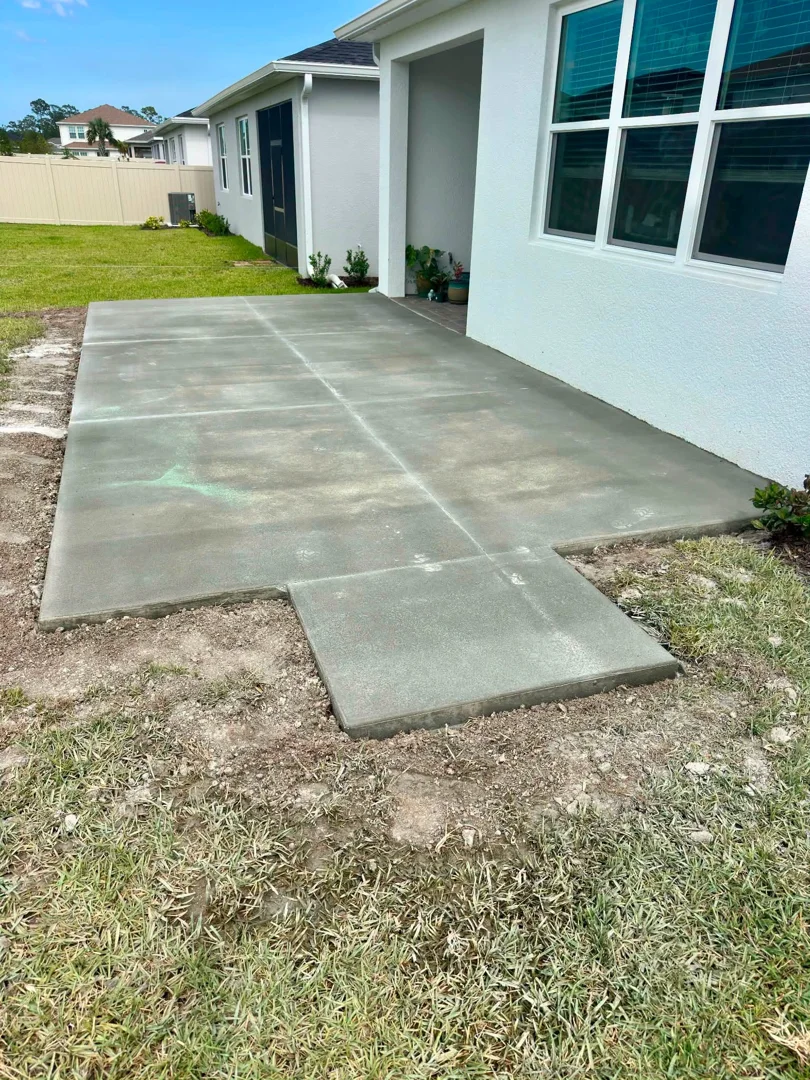
Why 28 Days Is an Important Concrete Strength Benchmark
Twenty-eight days is commonly used as a reference age for specified concrete compressive strength. It provides a standardized point for testing and evaluating whether concrete meets its specified strength requirements. That does not mean concrete literally stops curing on day 28. Hydration and strength development can continue beyond that age when conditions permit. Early-age tests may be used to monitor strength development, but they should not be converted into universal homeowner traffic dates. Actual access and loading guidance depends on the specific project. For additional background on concrete strength and curing, see the American Cement Association’s Cement & Concrete FAQ.
Frequently Asked Questions about 5000 PSI Concrete
How long does 5000 PSI concrete take to cure?
Concrete begins hardening soon after placement and continues gaining strength over time. Around 28 days is commonly used as a specified-strength testing benchmark, but curing and hydration can continue beyond that point. Conditions and project requirements affect the actual timeline.
When can you walk on 5000 PSI concrete?
There is no universal walk-on time for every placement. The first 24–48 hours generally require protection from traffic and surface damage. Light foot traffic should begin only when the contractor confirms that the project conditions allow it.
When can you drive on 5000 PSI concrete?
Vehicle access should follow project-specific guidance rather than a generic date. Vehicle weight, slab design, weather, curing conditions and the concrete mixture all affect when loading is appropriate.
Does concrete stop curing after 28 days?
No. Twenty-eight days is a common reference age for specified compressive-strength testing. Hydration and strength development can continue beyond that age when moisture and temperature conditions permit.
Can rain affect fresh concrete?
Yes. The effect depends on when the rain occurs and how severe it is. Fresh concrete should be protected from uncontrolled runoff or heavy rain that could disturb the surface before it has hardened sufficiently.
Should homeowners water new concrete?
It depends on the curing method selected for the project. Some curing approaches use added moisture, while others retain existing moisture with coverings or curing compounds. Homeowners should follow the contractor’s instructions rather than applying water on their own.
Conclusion
Understanding 5000 PSI concrete cure time is less about memorizing one universal date and more about understanding how concrete develops strength. The first several days are especially important for protecting the surface and supporting proper curing, while around 28 days remains a common reference point for specified compressive strength. JCD Concrete Inc. exclusively uses 5000 PSI concrete on residential projects, with project planning that also considers site preparation, drainage, reinforcement where appropriate, placement, finishing, joints and curing. If you’re planning a residential concrete project, follow the access and curing guidance provided for your specific installation. Learn more about JCD’s concrete driveway services or request a free estimate for your property in central and southern Brevard County and the Space Coast.