Searching for the best concrete companies near me does not mean finding one universal “best” contractor. The better goal is to build a shortlist of companies whose experience, equipment, communication, and project capabilities fit the work you actually need. Start by defining the project before comparing companies. Identify the type of concrete work, intended use, access constraints, existing concrete that may need removal, known drainage or grading concerns, preferred finish, and any plans or project requirements already available. Contractors are easier to compare when they are responding to the same basic scope. From there, verify the business and credentials it claims, review evidence of similar completed work, ask who will communicate with you during the project, and compare written estimates by scope rather than price alone. The strongest candidate is the company that can clearly explain what it is proposing and why that approach fits your property. JCD Concrete Inc. is owner-operated by John DomBek, who brings more than 40 years of concrete experience to residential and commercial concrete work. This guide focuses on the practical company-level questions property owners can use to narrow a shortlist before requesting or comparing final proposals.
Start With Project Fit, Not a Company Ranking
No concrete company is automatically the best fit for every project. A small walkway, a replacement driveway, a patio expansion, and a slab for a garage or workshop can each call for different experience, equipment, scheduling, and site coordination. Before building a shortlist, define the project clearly enough that each company is responding to the same basic need.
Start with the project category and intended use. Note the approximate size, vehicle or foot-traffic needs, access to the work area, any existing concrete that may need to be removed, and site constraints such as gates, landscaping, utilities, limited staging space, or nearby structures. It also helps to identify drainage or grading concerns, preferred finish expectations, target timing, and any plans, photos, or requirements already available.
This planning does not require you to decide how the concrete should be installed. Its purpose is to give potential contractors a consistent picture of the work so you can compare their responses fairly. A company may be an excellent choice for one type of residential or light commercial concrete project without being the right operational fit for another.
Compare Capability to the Work You Actually Need
Once the scope is clear, compare each company’s capability to the actual project rather than relying on a broad claim that it is the “best.” Ask for evidence of completed work that is similar in purpose, scale, finish, access conditions, and site complexity. Photos, project descriptions, references, and a clear explanation of the company’s role can help you determine whether the experience is relevant.
Also ask whether the company regularly performs the type of concrete work you need and whether it has the crew, equipment, and access plan appropriate to the property. Reviewing a company’s services overview can help you frame questions about whether its stated capabilities align with your project. If demolition, removal, excavation, or hauling may be part of the project, confirm whether the company can coordinate that work within the proposed scope or explain what will be handled separately. For properties with water-management concerns, a qualified contractor should be able to discuss grades and drainage as they relate to the concrete work without making assumptions before reviewing the site.
Project oversight and communication matter just as much as equipment. Ask who will supervise the work, who will be your main point of contact, how changes or site issues will be communicated, and how the schedule will be coordinated. Written proposals should make it easier to compare inclusions, exclusions, expected timing, finish details, and reinforcement where appropriate. The strongest fit is a company that can explain its relevant experience, operational plan, and responsibilities in clear terms that match your property and project goals.
Verify the Company Before You Compare Estimates
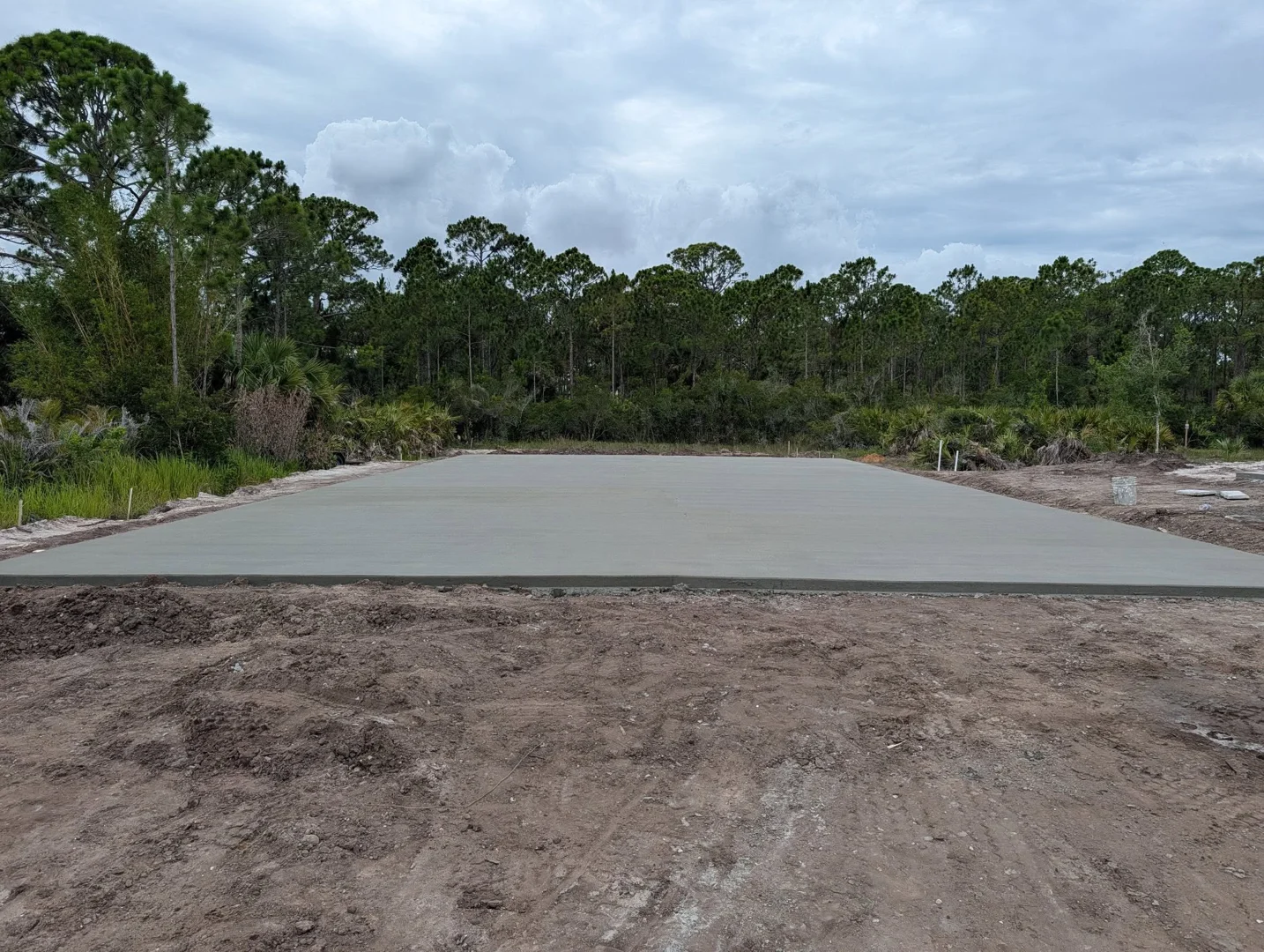
Selecting the right professional requires more than picking the first name on a search results page. Look for a contractor with relevant local experience and a clear understanding of the project requirements and permitting considerations that may apply to the proposed work.
Before signing an agreement, verify the business information relevant to the proposed work. Ask what license or registration applies to the scope, request current proof of general liability insurance, and confirm workers’ compensation coverage or an applicable exemption. A reputable company should also be willing to provide relevant completed-project examples and explain how communication will be handled throughout the project.
JCD Concrete Inc. is owner-operated, so homeowners have a direct point of accountability when discussing their project. For residential concrete JCD installs, its standard is 5000 PSI concrete. The proposal should still identify the project-specific scope, preparation, drainage considerations, concrete specification, reinforcement where appropriate, placement, joints, finish, curing, and use guidance.
Key Questions to Ask Before Hiring a Concrete Contractor
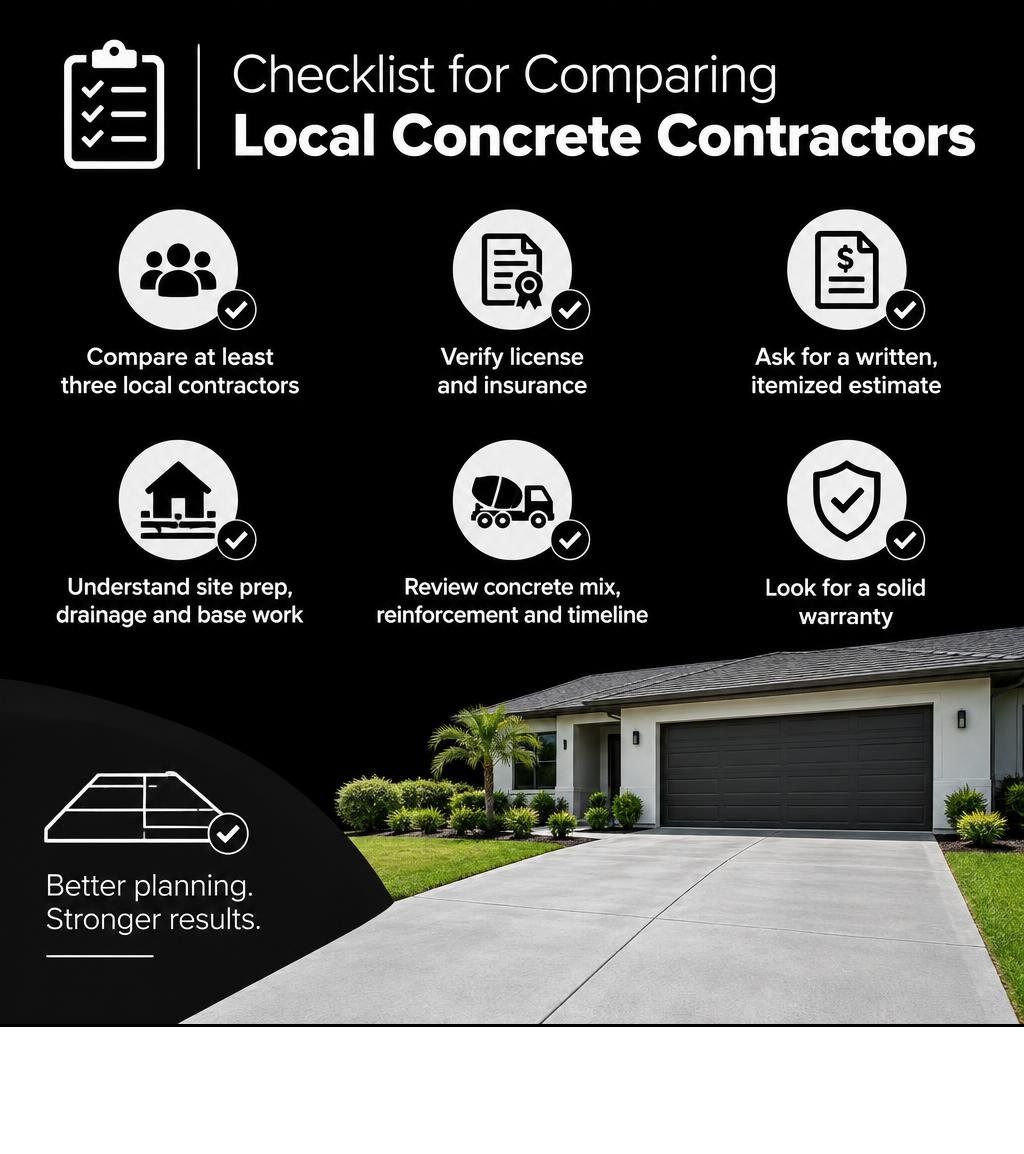
Before signing a contract, use these questions to compare companies on the details that affect your project:
- What similar projects have you completed recently? Ask for examples that match your project’s purpose, scale, finish, access conditions, and site complexity.
- Who will be my main contact, and who supervises the concrete work? Clarify who will answer questions, communicate schedule updates, and make decisions if site conditions require discussion.
- What is included and excluded in the written estimate? Review the proposed scope line by line, including removal, hauling, site preparation, materials, finish details, cleanup, and any work handled separately.
- How will site access, existing concrete, grades, and drainage be addressed within the proposed scope? The company should explain what it plans to assess and what assumptions or limitations apply before work begins.
- What concrete specifications and reinforcement, where appropriate, are included? Ask the contractor to connect the proposed materials and reinforcement to the intended use and project conditions rather than treating one approach as universal.
- What circumstances could change the quoted scope or price? Discuss unknown site conditions, owner-requested changes, permit requirements, access constraints, or other factors that may require a written change order.
- What project-specific curing and use guidance will be provided after placement? Request clear instructions for when and how the completed surface can be used based on the actual project. During the first 24–48 hours, new concrete should be protected; light foot traffic may be appropriate depending on the project. Continued curing during days 2–7 and loading or use guidance should follow the contractor’s project-specific recommendations. Around 28 days, concrete commonly approaches its specified or design strength under typical assumptions.
Red Flags to Watch for When Comparing Concrete Companies
A lower estimate is not automatically a poor choice, but it may reflect a different scope, preparation approach, materials, exclusions, or assumptions. Compare written estimates line by line so you can see whether each company is pricing the same work.
Watch for these warning signs:
- A vague or incomplete written scope that makes it difficult to compare the proposal with others.
- Unwillingness to provide applicable credential or insurance information.
- An inability to show relevant completed work similar to your project.
- Estimate exclusions that are unexplained or left open to interpretation.
- Unclear responsibility for communication, supervision, or schedule updates.
- Pressure to sign before you have had time to understand the proposed scope.
Compare Written Estimates Scope to Scope
A written estimate is easier to compare when each company is describing the same project as clearly as possible. Review the proposal line by line instead of relying only on the total price. Confirm the limits of demolition or removal, excavation and preparation work, access requirements, the proposed concrete specification, reinforcement where appropriate, finish details, and joints.
Also look for how the estimate addresses grades and drainage within the concrete scope, cleanup, and permit or inspection responsibility where applicable. Ask the company to identify exclusions, allowances, schedule assumptions, and any information that could affect the final scope or price. The proposal should also explain what project-specific curing and use guidance will be provided after placement. These details do not need to be identical from one property to another, but they should be clear enough for you to compare what each company is proposing.
Look for Evidence of Similar Work
Photos, an organized project gallery, and a discussion of comparable completed work can help you determine whether a company is a practical fit for your project. Ask for examples that resemble your needs in purpose, scale, finish, access conditions, and site complexity. A contractor should be able to explain its role in the work and why the example is relevant to the project you are considering.
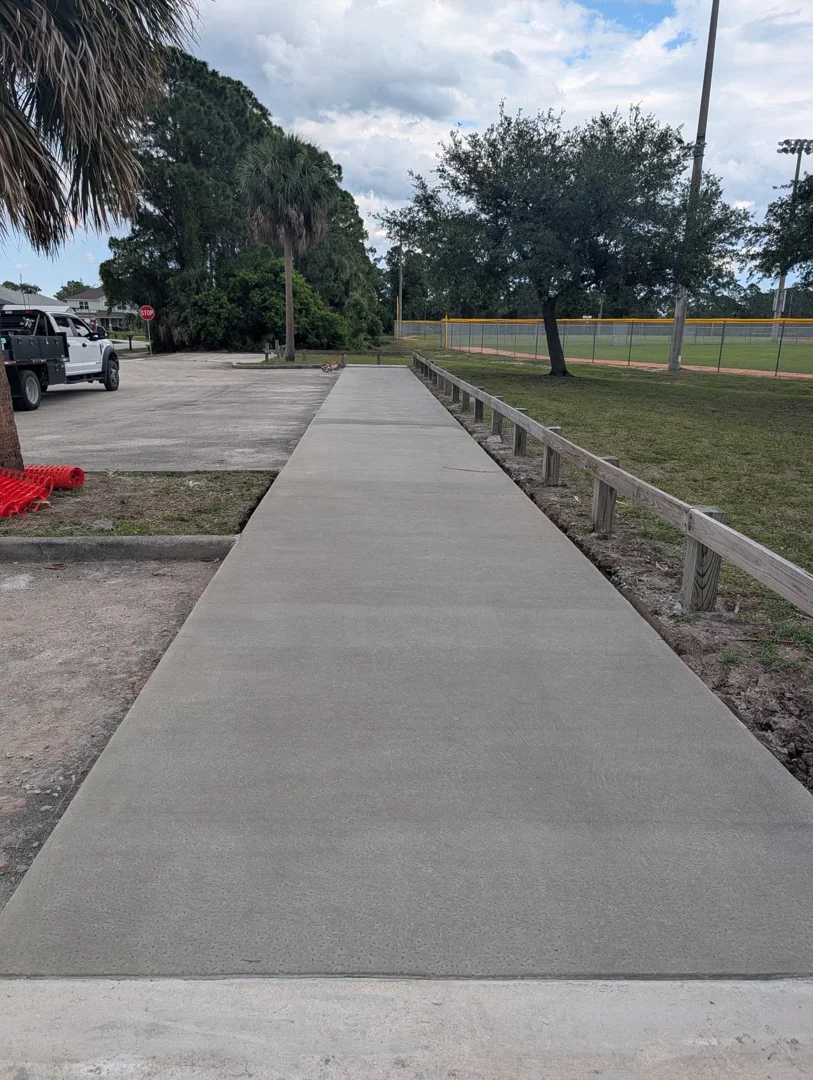
Use photos as conversation starters, not as proof of every construction detail. An image alone does not confirm the location, concrete strength, reinforcement, thickness, engineering, permit status, dimensions, or intended use of a project. Relevant examples are most useful when they are paired with a clear explanation of the project scope, conditions, and work the company actually completed.
Compare Communication and Estimate Readiness
A strong shortlist candidate should make the next steps easy to understand before a final proposal is issued. Ask who will communicate with you during estimating and construction, what information is still needed to define the work, and which assumptions the preliminary estimate includes. Clear communication helps prevent different companies from pricing different versions of the same project.
The company should also explain how scope changes are handled if site conditions, access limitations, owner requests, or permitting needs affect the work. Before finalizing an estimate, be ready to provide relevant measurements, photos, plans, finish preferences, access details, known drainage concerns, and any project deadlines or property requirements. The best fit is not simply the company that responds first; it is the one that can clearly identify what is known, what still needs to be confirmed, and how the proposal will be finalized for your property.
Where JCD Concrete Fits
JCD Concrete Inc. is owner-operated by John DomBek and brings more than 40 years of concrete experience to residential and commercial concrete work in central and southern Brevard County and the Space Coast. JCD provides free estimates and is licensed and insured (License #885033955). For residential projects, JCD’s standard is 5000 PSI concrete; concrete strength is one part of the project alongside preparation, drainage, reinforcement where appropriate, placement, joints, curing, and the approved scope.
JCD can discuss whether a proposed concrete project fits its verified services and help define the concrete scope for an estimate. That conversation can account for the project’s intended use, access, existing conditions, drainage considerations, finish expectations, and the information needed to clarify the proposed work.
For property owners comparing the best concrete companies near me, the goal is to determine whether JCD’s scope, communication, and approach are a practical fit for the project.
If you are narrowing your shortlist, review JCD’s project work and concrete capabilities, then contact JCD with the project type, property location, photos, intended use, access constraints, and any known drainage or site concerns. That information helps the team determine whether the project fits JCD’s scope and prepare a free estimate.