How to Prepare a Reliable Concrete Bid Package
Before commercial concrete contractor services can be compared fairly, each contractor needs to be pricing the same concrete package. A proposal may look lower simply because demolition, excavation, access coordination, base preparation, phasing, cleanup, testing, or another responsibility is excluded or assigned elsewhere.
A commercial concrete contractor needs a bid package that defines the work clearly enough to identify what is included, what information controls the work, which responsibilities belong to other trades or design professionals, and which assumptions still need clarification. That does not mean the owner needs to design the concrete. It means the project team should organize the available drawings, specifications, site information, access conditions, schedule requirements, and scope boundaries before pricing begins.
In this context, commercial concrete means the project-specific package being priced, not a universal set of installation details. This guide explains how to define that package before comparing bids. It focuses on scope, access, phasing, demolition and excavation, coordination, inclusions and exclusions, and the questions that should be resolved before proposals are compared.
If you are preparing scope before searching for a commercial concrete contractor near me or commercial concrete near me, defining the package first makes the resulting proposals far easier to evaluate.
Separate Demolition, Excavation, and Preparation Responsibilities
Demolition, excavation, and preparation responsibilities materially affect bids and must not be left ambiguous. If these items are undefined, proposals cannot be accurately compared because one bidder may include full site preparation while another excludes it or relies on different assumptions.
The scope should establish who handles removal of existing concrete, asphalt, soil, or debris, along with hauling, disposal fees, and precise excavation limits. It should also outline how unsuitable material will be addressed, including any procedures for removal, replacement, or changed scope.
List the included subgrade and base preparation, as well as duties for importing or removing material. Preparation methods depend on project specifications and existing site conditions rather than a single universal standard. Any uncertain condition affecting quantities, access, or grading should be identified for clarification or treated as a potential changed-scope item before pricing is finalized.
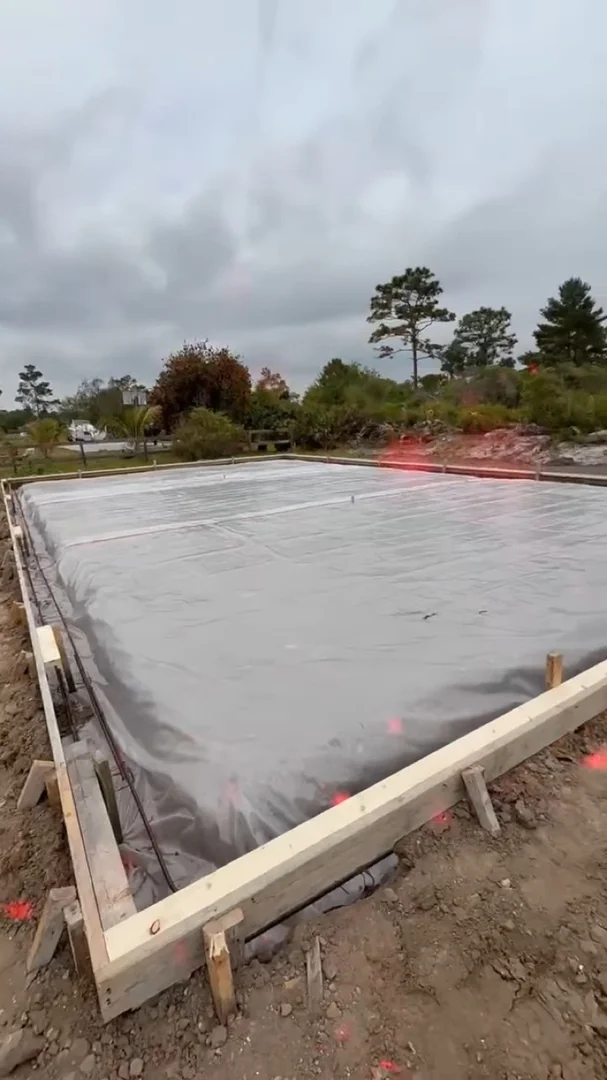
Define the Concrete Package Before Contractors Price It
The first task in defining commercial concrete contractor services is identifying the limits of the concrete package—not choosing a contractor. Before bids are requested, the project team should establish what work is expected, where it occurs, what information governs it, and which items are outside the contractor’s responsibility. That gives every bidder a more consistent basis for pricing and makes later scope comparisons more meaningful.
A clear package should identify the elements included in the work, such as foundations, slabs, curbs, sidewalks, ramps, pads, walls, paving, or other project-specific components. Current project information should show the relevant locations, extents, elevations, boundaries, access constraints, and any phasing that affects how the work can be performed.
The package should also clarify whether demolition and removal of existing materials, excavation, hauling, disposal, grading, subgrade preparation, base preparation, dewatering, protection of adjacent work, and cleanup are included. If finishes, edge details, slopes, control or construction joints, curing requirements, or other installation details have been specified, they should be identified rather than assumed.
Coordination items deserve the same attention. List known embeds, sleeves, anchors, blockouts, openings, penetrations, utility crossings, equipment interfaces, and connections to work performed by others. Identify related responsibilities assigned to the owner, design team, utility providers, testing agencies, site contractor, structural contractor, or other trades. Any item that remains unresolved should be recorded as a clarification instead of being left for bidders to interpret differently.
Let the Project Documents Control Technical Requirements
Commercial concrete scope should follow the current drawings, specifications, approved revisions, and authorized project clarifications. Generic online details should not replace project-specific requirements.
ACI SPEC-301 is a reference specification that an architect or engineer can make applicable to a project by citing it in the project specifications and supplementing it with project-specific requirements. That distinction matters when bidders are deciding which concrete, reinforcement, placing, finishing, curing, joints, testing, or other requirements belong in their scope.
Site logistics also need to account for applicable construction-safety responsibilities. OSHA’s concrete and masonry construction standards establish federal worker-safety requirements for covered concrete construction operations; project teams should identify access and coordination constraints without treating an article like this as a site-specific safety plan.
Document Site Access and Construction Logistics
Before pricing access-dependent work, bidders need a clear picture of how people, materials, and debris can move through the site. The bid information should identify equipment and delivery access, gate locations, clearance limits, occupied-site restrictions, staging limits, material staging areas, debris-removal routes, and the available access points for placement.
It should also explain operating hours, delivery windows, schedule restrictions, and any access that must remain open for employees, customers, tenants, other trades, or emergency operations. On active sites, the package should identify known coordination needs, including nearby work, temporary closures, traffic-control expectations, and the party responsible for communicating changes.
The purpose is not to prescribe one equipment setup or placement method. It is to give each bidder the same site and logistics constraints so allowances, exclusions, sequencing, and proposed approaches can be compared on a more consistent basis.
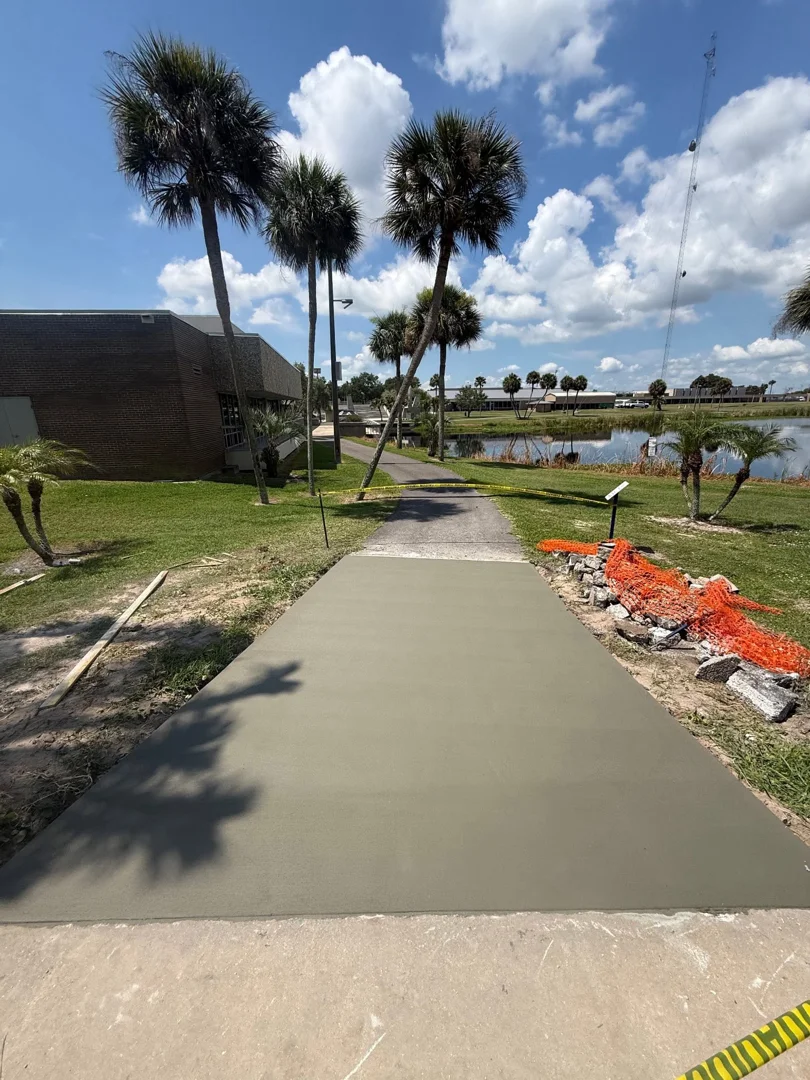
Define Phasing and Trade Coordination Before Bidding
Phasing and trade coordination can materially affect the scope, schedule, and price of the work. Before bids are compared, the project information should state whether the work will occur in one continuous operation or across multiple phases, along with known sequencing requirements that change access, mobilization, protection, or return trips.
The bid package should identify applicable coordination points with utilities, plumbing, electrical, structural, equipment, and other trades. Known embeds, sleeves, anchors, penetrations, blockouts, connections, and interfaces should be shown or described so bidders can account for them consistently. It should also identify access that must remain available for occupants, operations, deliveries, emergency routes, or ongoing work by others.
Placement sequencing should be defined only where established by project documents or confirmed coordination decisions. Bidders should be able to see schedule dependencies, required predecessor work, inspection or approval milestones, and constraints that could affect when an area is ready. Conflicts between related work should be resolved by the responsible project parties before placement rather than left for each bidder to price or interpret differently.
Make Inclusions and Exclusions Explicit
Each proposal should identify what is included, excluded, carried as an allowance, offered as an alternate, furnished by the owner, assigned to another trade, or still unresolved. Clear labels prevent a lower price from being mistaken for a complete price when bidders are working from different assumptions.
The bid scope should address applicable items such as demolition, excavation, hauling and disposal, subgrade or base preparation, forms, reinforcement where specified, placement, finishing, joints, embeds, cleanup, testing or inspection coordination where specified, permits or approvals where applicable, protection and curing responsibilities, and mobilization or phasing. The relevant project documents should determine which items belong in the package and which belong elsewhere.
Any allowance, alternate, exclusion, or unresolved item should state the assumption behind it and the party responsible for confirming it. That gives the project team a practical way to compare proposals line by line, identify scope gaps before award, and avoid assigning unpriced work after construction begins.
Clarify Schedule Assumptions and Coordination Requirements
Schedule assumptions can materially affect the scope and price of the work. Before bids are compared, the project information should identify anticipated start conditions, sequencing assumptions, work-area availability, and any phasing that may require separate mobilizations, return visits, protection measures, or schedule adjustments.
The bid package should also identify known dependencies on preceding work by other parties, such as site preparation, utilities, plumbing, electrical, structural, or equipment-related work where applicable. If inspections, approvals, access releases, or other milestones must occur before placement can proceed, those conditions should be stated so bidders can account for them consistently.
Curing and protection responsibilities should be assigned or clarified when they affect turnover, access, follow-on work, or scheduling. The owner, general contractor, design team, and other responsible project parties should identify who coordinates work areas, communicates schedule changes, and resolves conflicts that could delay placement or require revised sequencing.
Rather than relying on a universal timeline, proposals should state the assumptions behind the proposed schedule and identify conditions that could change it. This makes it easier to compare bids, recognize schedule-related exclusions or allowances, and address coordination issues before work begins.
Normalize the Bid Before Comparing Prices
The purpose of bid review is to normalize the scope, not to rank contractors based on a headline price. Before proposals are compared, the project team should confirm that each bidder is pricing the same defined package and that any differences are visible rather than buried in assumptions.
Use a same-scope checklist to compare whether:
- the same elements are included;
- demolition and disposal responsibilities match;
- excavation and preparation assumptions are consistent;
- access and mobilization constraints are understood;
- materials and reinforcement are priced from the same project documents;
- finishes, joints, embeds, and interfaces are treated consistently;
- testing, inspection, permit, and coordination responsibilities are identified where applicable;
- alternates and allowances are separated from the base price;
- exclusions are clear; and
- schedule and phasing assumptions are comparable.
A meaningful price comparison requires normalized scope first. Once the project team can see what every proposal includes, excludes, assumes, or assigns elsewhere, price differences can be evaluated in the proper context.
Questions to Resolve Before Requesting Final Commercial Concrete Bids
Before requesting final proposals, resolve the following questions so each bidder is pricing the same defined package:
- What exact elements are included?
- Which drawings, specifications, and revisions control?
- Who owns demolition, excavation, hauling, and preparation?
- What access, staging, operating-hour, and occupied-site limits apply?
- Will the work occur in one phase or multiple phases?
- Which trades or embeds must coordinate before placement?
- Which finishes, joints, specifications, reinforcement, and testing requirements are already defined?
- Which permits, approvals, or inspections may apply, and who coordinates them?
- What is excluded or assigned to others?
- What assumptions or unresolved items could change the bid?
- Which alternates or allowances must be separated from the base price?
- What must be finalized before the proposals can be compared fairly?
Documenting the answers before final pricing helps the project team identify gaps, clarify responsibilities, and compare proposals on a consistent scope rather than on headline price alone.
Discuss the Commercial Concrete Scope With JCD
JCD Concrete Inc. is owner-operated by John DomBek and brings more than 40 years of concrete experience to residential and commercial concrete work in central and southern Brevard County and the Space Coast. JCD provides free estimates and is licensed and insured (License #885033955).
JCD can review the available scope information and determine whether professional commercial concrete services are a fit for its verified concrete services. Project documents and responsible design professionals control engineered requirements, including structural design, dimensions, reinforcement, material specifications, and other technical criteria. JCD’s role is to review the contractor-scope package so the estimate is based on the information available for pricing.
Clearer limits, site access, phasing, inclusions, exclusions, and coordination details help create a more useful estimate by showing what is being priced, what remains unresolved, and which responsibilities belong to others. You can also view the project gallery for examples of completed work.
If you are preparing a commercial concrete package for pricing, send JCD the current plans or scope information, project location, concrete work being considered, access constraints, phasing requirements, photos, and any known schedule or coordination issues. JCD can review the information, determine whether the work fits its concrete services, and provide a free estimate when the scope is ready for contractor pricing.